Last Updated: February 2026
The Sacred Valley Travel Guide is essential reading for travelers heading into Peru’s Andean heartland for the first time. Stretching between Cusco (3,400 meters above sea level) and the gateway to Machu Picchu (UNESCO World Heritage Site), the Sacred Valley combines archaeological sites, living Indigenous culture, and landscapes shaped by centuries of agriculture.
A common issue visitors face is underestimating how much geography affects travel days. Distances may look short on a map, yet winding mountain roads and altitude shifts can turn simple transfers into half-day journeys. This guide focuses on practical planning — helping you choose the right route, understand transport options, estimate realistic costs, and avoid the mistakes that often compress itineraries.
Whether you have one full day or a relaxed overnight stay, you will leave with a clear structure for navigating the valley efficiently while still experiencing its cultural depth.

Who This Guide Is For
- Best for: First-time travelers, culturally curious visitors, photographers, and those connecting onward to Machu Picchu.
- Not ideal for: Travelers seeking nightlife, fast-paced urban energy, or fully luxury resort-style experiences.
The Sacred Valley sits lower than Cusco at roughly 2,050–2,800 meters. Many travelers find it a gentler place to begin altitude adjustment before continuing deeper into the Andes.
Itinerary or Route Structure
Most travelers structure the Sacred Valley as either a loop from Cusco or a directional journey toward Machu Picchu.
- Classic Loop (1 day): Cusco → Pisac → Ollantaytambo → return to Cusco.
- Forward Route (1–2 days): Cusco → Chinchero → Maras → Moray → Ollantaytambo → train onward.
- Slow Travel: Overnight in Ollantaytambo for early train departures.
Micro-story: One couple planned a same-day loop but chose to stay overnight after arriving in Ollantaytambo near sunset. Watching the last light hit the surrounding terraces — while the crowds returned to Cusco — turned what could have been a rushed checklist into one of the calmest evenings of their trip.
Many travelers underestimate how rewarding it feels to slow down here. Agricultural terraces, some still in use after centuries, reflect the engineering legacy of the Inca civilization.
For broader trip sequencing, see the best places to visit in Peru to understand how the valley fits into a larger route.

Transport Logic
Transport choices shape your entire experience in the valley.
| Option | Travel Time | Typical Cost | Best For |
|---|---|---|---|
| Group Tour | 10–12 hrs | $45–$75 | Efficiency |
| Private Driver | Flexible | $120–$180 | Comfort + pacing |
| Collectivos | Variable | $4–$10 per leg | Budget travelers |
A realistic scenario: leaving Cusco at 7:30 AM often means reaching Pisac in about one hour, yet adding market time, ruins visits, and lunch quickly extends the day.
If you plan to continue toward Machu Picchu afterward, reviewing the best time to visit Machu Picchu helps align weather with transport reliability.
Long high-altitude transfers often feel more tiring than expected. Building in short café stops or scenic breaks can dramatically improve the day.
Budget Breakdown
Costs vary depending on independence versus convenience.
Mid-range daily estimate:
• Transport: $45–$120 (170–450 PEN)
• Meals: $12–$25 (45–95 PEN)
• Tourist ticket (partial): ~$20–$25 (75–95 PEN)
• Optional overnight: $60–$110 (220–410 PEN)
Mini example day:
- Shared tour: $60
- Lunch in Ollantaytambo: $15
- Snacks + coffee: $6
- Total: ~$81
Travelers heading into deeper trekking regions afterward may also explore routes like the Humantay Lake hike guide for acclimatization planning.

Packing or Preparation Checklist
- Layered clothing — temperatures can shift 15°C in a day.
- Sun protection — UV levels remain high at altitude.
- Reusable water bottle.
- Cash in Peruvian soles.
- Light rain shell during shoulder seasons.
Weather changes quickly in mountain valleys. Bright mornings can shift to windy afternoons, particularly between May and August.
Plan A vs Plan B
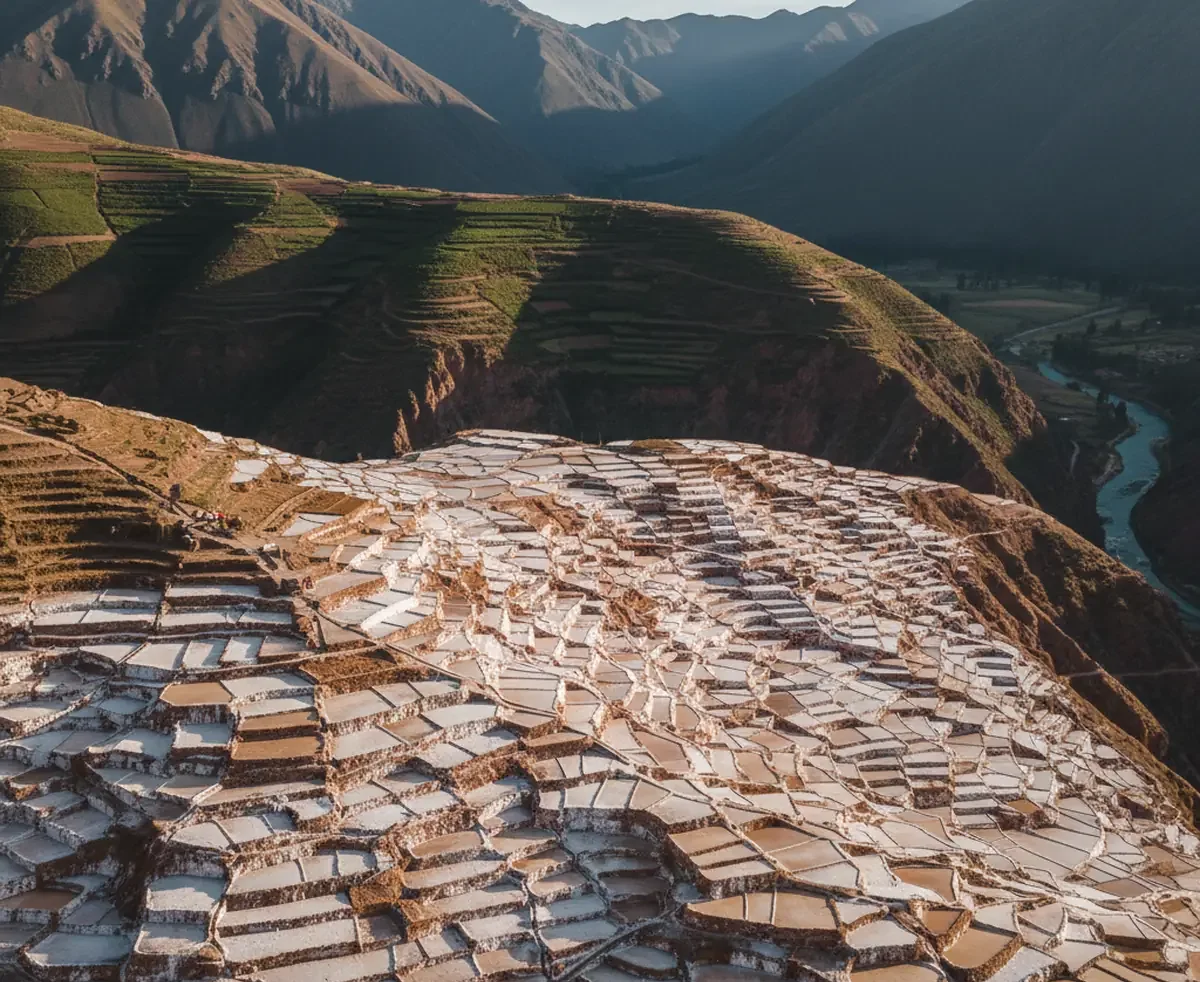
- Plan A: Clear weather — prioritize Moray and the Maras salt terraces for wide views.
- Plan B: Cloud cover — focus on archaeological towns like Ollantaytambo where cultural exploration matters less to visibility.
A common issue visitors face is packing too many stops into one day. Reducing one destination often improves the overall experience.
If you’re considering adding high-altitude hikes afterward, compare logistics with the Rainbow Mountain Peru guide before committing to early departures.
Common Mistakes
- Mistake: Treating the valley as a quick transit corridor.
Better approach: Allocate at least one unhurried afternoon. - Mistake: Ignoring altitude shifts.
Better approach: Hydrate and pace activity. - Mistake: Overbooking tours.
Better approach: Leave buffer time between transfers. - Mistake: Assuming every site requires hours.
Better approach: Some stops are impactful within 45–60 minutes. - Mistake: Carrying large luggage.
Better approach: Travel with a compact overnight bag.
FAQ
Yes, but it will feel structured. An overnight stay allows a calmer pace and earlier access to trains.
Staying in the valley can shorten travel time toward Machu Picchu and often provides quieter evenings.
Generally yes — moderate altitudes and accessible sites make it easier than higher trekking regions.
Most towns range between 2,050 and 2,800 meters, lower than Cusco.
Many archaeological sites require it, so confirm which circuit matches your route.
Conclusion
The Sacred Valley rewards travelers who approach it with intention rather than urgency. By structuring routes carefully, choosing the right transport, and allowing time to absorb the landscape, you transform what might be a logistical bridge into a highlight of your Peru journey.
If this guide clarified your planning, consider saving it for later reference, sharing it with your travel partner, or leaving a comment with your route questions. Thoughtful preparation often leads to the most memorable days in the Andes — and the valley is an ideal place to begin that experience.